The Role of the Principal Designer
Understanding Principal Designer Responsibilities in Modern Construction Projects
Confusion surrounding the Principal Designer role has increased significantly since the introduction of the Building Safety Act. Many clients assume that the traditional CDM Principal Designer and the newer Building Regulations Principal Designer are the same appointment, when in reality they serve different regulatory purposes. Understanding these distinctions is increasingly important on residential developments, refurbishments and Higher-Risk Building projects.
For clients navigating construction projects, the relationship between CDM Regulations, Building Regulations and coordinated Architectural Design has become far more visible than it was before the Building Safety Act reforms.
On Higher-Risk Buildings, the Principal Designer now sits at the centre of the compliance process, working closely with consultants, contractors and clients to demonstrate that design work has been properly coordinated and that Building Regulations requirements are being met. Our High Risk Building Hub explores these responsibilities in greater detail.
The Principal Designer Under CDM Regulations
Under the Construction (Design and Management) Regulations 2015, the Principal Designer is responsible for planning, managing and monitoring health and safety during the pre-construction phase. The appointment is required where more than one contractor is involved.
The role focuses on identifying foreseeable risks, improving coordination and ensuring that designers work together to reduce hazards before construction begins. Good design coordination can significantly reduce construction risk, improve buildability and support safer project delivery.
The Building Regulations Principal Designer
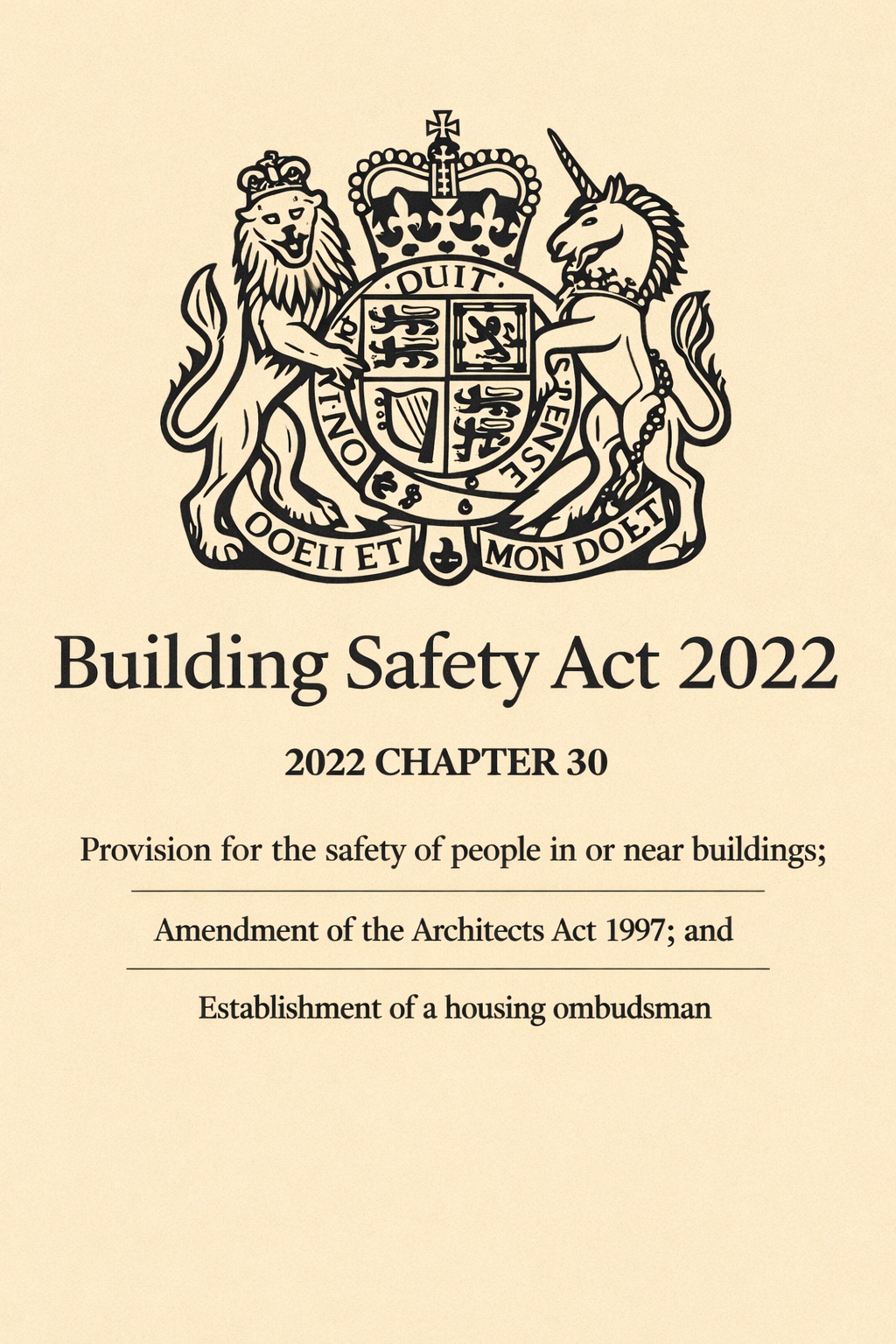
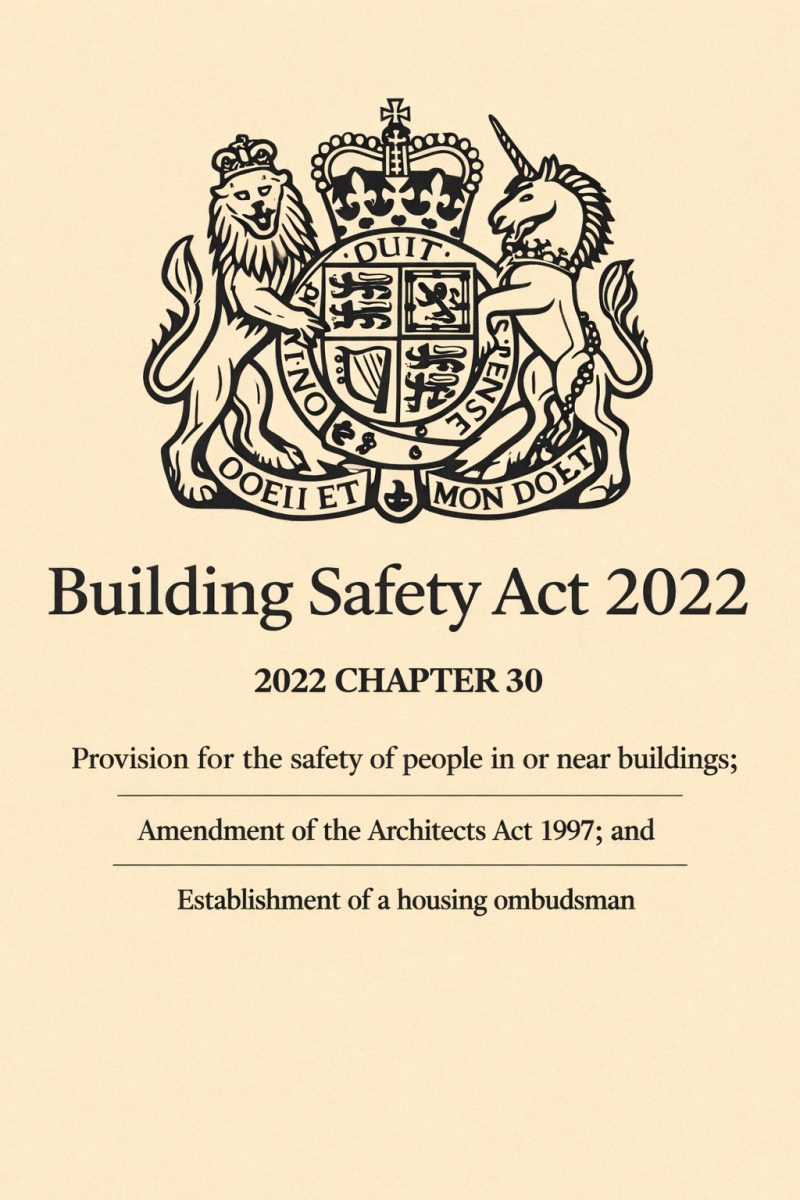
The Building Safety Act introduced a separate Principal Designer role linked directly to Building Regulations compliance. This dutyholder position requires the appointed organisation or individual to plan, manage and monitor design work so that the project complies with the Building Regulations.
Unlike the CDM role, the Building Regulations Principal Designer is heavily focused on compliance evidence, design coordination, information management and regulatory accountability. These duties become particularly significant on Higher-Risk Buildings progressing through Gateway approval processes.
Projects requiring Gateway submissions often involve close integration between fire engineers, structural engineers, MEP consultants and specialist advisers. This coordination process is explored further within our Gateway 2 case study.
Why Early Appointment Matters
One of the most common project risks is appointing the Principal Designer too late. When design information has already progressed without clear oversight, inconsistencies often emerge between disciplines.
Early appointment allows compliance strategies, fire safety considerations, design responsibilities and consultant deliverables to be established from the outset. This creates a more structured pathway through planning, technical design and construction.
Principal Designer Responsibilities on Higher-Risk Buildings
For Higher-Risk Buildings, the regulatory burden is considerably greater. The Building Safety Regulator expects coordinated information, competency evidence and structured compliance records throughout the design process.
The Principal Designer is expected to manage design coordination, review information quality, oversee compliance evidence and support Gateway submissions. Our article on taking over as Principal Designer on a Higher-Risk Building demonstrates how these responsibilities operate in practice.
Frequently asked questions
The following questions and answers summarise common queries relating to this topic.
A Principal Designer coordinates design work, manages risk and helps ensure compliance with applicable regulations throughout the project lifecycle.
No. They are separate roles with different statutory duties, although the same organisation may sometimes undertake both appointments.
Under CDM Regulations, a Principal Designer is required when more than one contractor is involved. Building Regulations dutyholder requirements apply to projects subject to the current regulatory framework.
The role helps coordinate compliance evidence, consultant information and Gateway submissions required by the Building Safety Regulator.
Yes. Architects are commonly appointed where they possess the competence, experience and organisational capability required for the role.
Common Misunderstandings About the Role
Many clients incorrectly assume that appointing a CDM Principal Designer automatically satisfies Building Safety Act requirements. In reality, the appointments may be separate and should be clearly defined within project documentation.
Another misconception is that the Principal Designer becomes responsible for every consultant's design work. Individual designers retain responsibility for their own technical outputs, while the Principal Designer coordinates and monitors the overall process.
Why Design Coordination Has Become So Important
Modern construction projects involve increasingly complex consultant teams, regulatory requirements and technical interfaces. Fire strategy, structure, building services and architectural design must align consistently.
The Principal Designer role exists to ensure that information is coordinated, risks are identified early and compliance can be demonstrated clearly. This structured approach reduces project delays, supports approvals and improves overall delivery quality.
Conclusion
The Principal Designer role has evolved into one of the most significant positions within the modern construction process. Whether operating under CDM Regulations or the Building Safety Act dutyholder regime, the appointment plays a critical role in coordination, compliance and risk management.
As regulatory expectations continue to increase, appointing a competent and experienced Principal Designer can help create clearer project leadership, stronger compliance outcomes and more efficient delivery from concept through construction.
Contact us
If you would like to discuss a project, clarify regulatory requirements, or understand how our experience may be relevant to your work, you are welcome to get in touch.