High Risk Building Consultant Services in London
Understanding the Service
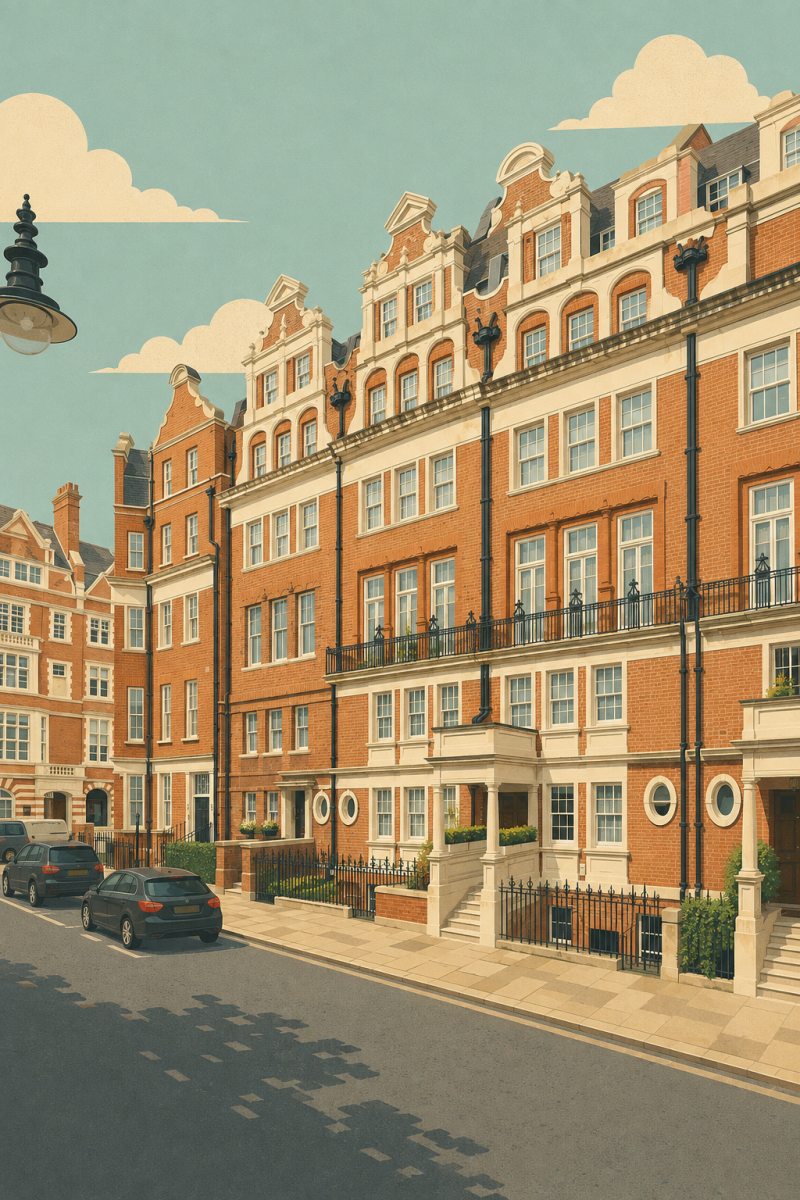
Higher-Risk Buildings introduce a level of regulatory scrutiny that fundamentally changes how residential projects are designed, coordinated and delivered. Since the introduction of the Building Safety Act and the Higher-Risk Buildings procedures, projects across Central London, Westminster, Chelsea, Kensington and wider London boroughs increasingly require a more structured and evidence-led approach to design management and compliance.
At Folly Architects, we support clients, developers and consultant teams navigating complex Higher-Risk Building projects, including apartment refurbishments, mixed-use developments, listed buildings and technically sensitive residential schemes. Our role is not simply to prepare drawings, but to help structure projects so that information is coordinated, risks are identified early and submissions are prepared with regulatory scrutiny in mind.
Many HRB projects encounter difficulty not because the design is fundamentally flawed, but because responsibilities, technical information and compliance evidence have not been properly coordinated. Our experience across Gateway submissions, technical delivery and Principal Designer duties allows us to bring clarity to projects where multiple consultants, approvals and regulatory obligations must align.
Our wider Building Regulations Services , Architectural Drawings Services and Higher-Risk Building Guidance work closely alongside this service to support projects from feasibility through to delivery.

Speak to an expert, call us on the number below
What Higher-Risk Building Consultancy Involves
Higher-Risk Building consultancy extends beyond conventional architectural coordination. It involves understanding how regulatory expectations interact with architectural design, fire strategy, consultant information, procurement and construction sequencing.
We support projects by reviewing technical information, coordinating consultant outputs, identifying regulatory risks and helping teams prepare structured submissions for the Building Safety Regulator. This may include Gateway 2 preparation, technical compliance reviews, change control procedures, dutyholder coordination and support for Principal Designer responsibilities under the Building Safety Act.
Our involvement is often most valuable during early project stages, where strategic decisions can significantly reduce delay, redesign and regulatory uncertainty later in the process.
Why Early Strategy Matters
One of the most common issues on HRB projects is leaving regulatory coordination too late. Gateway submissions require coordinated technical information that clearly demonstrates compliance across multiple disciplines. Where fire strategy, structural design, services coordination and architectural information do not align, projects can quickly become delayed.
By establishing regulatory strategy early, projects are better positioned to progress efficiently through approvals and into construction. This includes identifying whether a project falls within HRB scope, understanding likely Gateway requirements and ensuring consultant responsibilities are properly coordinated from the outset.
Our article on Assessing HRB Risk Before Commitment explores how early-stage regulatory awareness can help clients make informed project decisions before committing significant time or cost.
Our High Risk Building Consultancy Articles





Common Challenges Within Higher-Risk Buildings
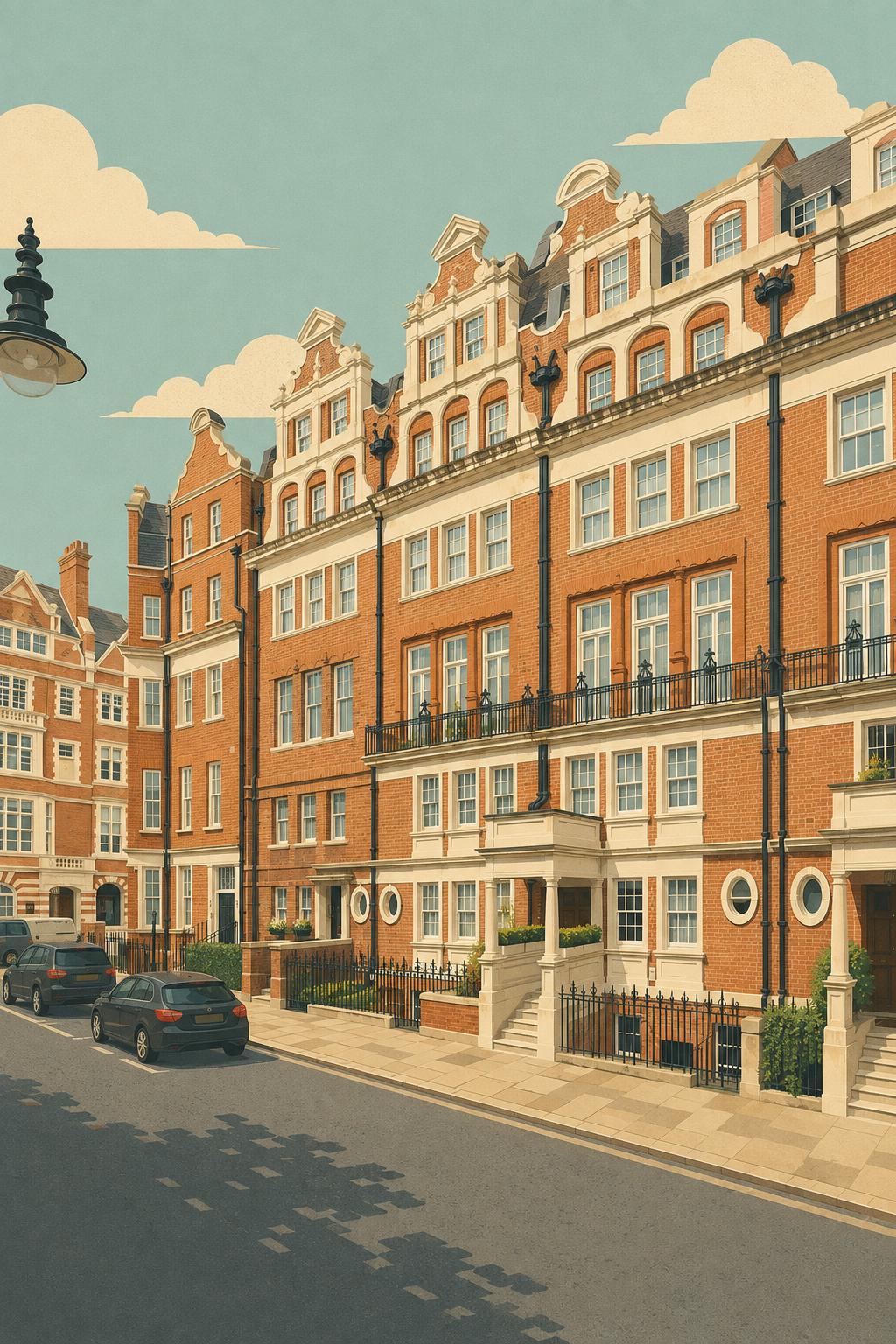
Higher-Risk Building projects frequently involve layered technical and procedural complexity. In Central London apartment refurbishments, for example, listed building constraints, heritage considerations, compartmentation strategy and resident safety requirements often overlap.
Projects in locations such as Knightsbridge, Chelsea and Westminster regularly require detailed coordination between architects, fire engineers, structural consultants, MEP designers and specialist contractors. Where responsibilities become fragmented, the risk of inconsistent information or regulatory challenge increases considerably.
We regularly assist clients and consultant teams where projects require additional technical structure, regulatory oversight or coordinated design review before submission or construction.
Gateway 2 and Building Safety Regulator Coordination
Gateway 2 is fundamentally different from traditional Building Control approval routes. The Building Safety Regulator expects a significantly higher level of technical coordination, evidence and clarity before construction begins.
Our work on Gateway 2 submissions in Knightsbridge demonstrates the level of coordination often required on complex residential and heritage projects. This includes structured technical reviews, document coordination, fire and emergency file preparation, consultant management and submission assembly.
We help ensure that technical information is not only complete, but also coherent, buildable and regulator-ready. This structured approach helps reduce the likelihood of avoidable delay, clarification requests or submission rejection.
Frequently asked questions
The following questions and answers summarise common queries relating to this topic.
In England, Higher-Risk Buildings generally include residential buildings that are at least 18 metres in height or seven storeys and contain two or more residential units. Certain hospitals and care homes may also fall within the regime during design and construction stages.
Some refurbishment works within existing Higher-Risk Buildings may require Gateway approval depending on the scope of works and whether building control approval is required. Early review is important to determine the appropriate regulatory route.
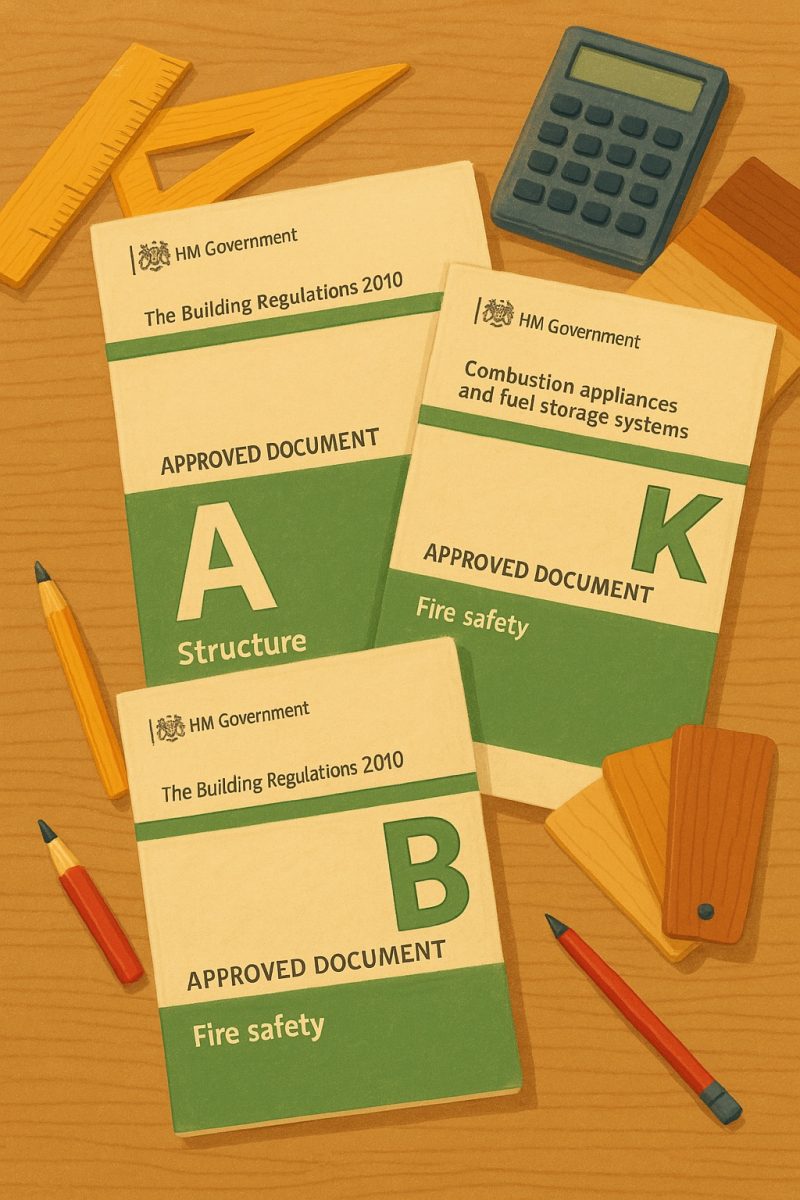
The Building Regulations Principal Designer is responsible for planning, managing and monitoring design work to ensure compliance with the Building Regulations. This includes coordinating design information and supporting dutyholder compliance.
Delays commonly arise where consultant information is inconsistent, incomplete or poorly coordinated. Weak change control procedures, unclear fire strategy coordination and missing technical evidence are also frequent causes of delay.
Yes. We are frequently appointed in an advisory or specialist coordination role alongside existing architectural and consultant teams to support HRB compliance, Gateway preparation and regulatory coordination.
Principal Designer and Dutyholder Support
The Building Safety Act has introduced clearly defined dutyholder responsibilities that require greater accountability throughout the design process. For many projects, this creates uncertainty around responsibilities, coordination obligations and compliance management.
Folly Architects supports clients and teams by helping structure design management processes, coordinating consultant information and supporting compliance strategy in line with Principal Designer duties. We understand that successful HRB delivery depends on clear communication, transparent responsibilities and coordinated technical information.
Our experience spans apartment refurbishments, residential towers, mixed-use developments and technically sensitive heritage buildings across London and the South East.
Why Clients Engage Folly Architects
Clients engage Folly Architects because HRB projects require more than isolated technical advice. They require coordinated thinking, delivery awareness and the ability to bring structure to complex consultant environments.
Our approach combines architectural understanding with practical knowledge of Gateway submissions, technical coordination and regulatory expectations. We work collaboratively with design teams, contractors, fire engineers and specialist consultants to help projects move forward clearly and efficiently.
Whether supporting a listed apartment refurbishment in Chelsea, advising on Gateway readiness in Westminster or coordinating consultant information on a complex residential development, our focus remains the same: reducing uncertainty, improving coordination and supporting successful project delivery.
Discussing a Higher-Risk Building Project
If you are planning works within a Higher-Risk Building, preparing for Gateway submission or seeking experienced architectural support for Building Safety Act compliance, Folly Architects can provide structured technical guidance tailored to the specific complexity of your project.
Contact us
If you would like to discuss a project, clarify regulatory requirements, or understand how our experience may be relevant to your work, you are welcome to get in touch.