Planning Consultancy Services
Understanding the Service
Planning consultancy is most valuable when it is introduced before design decisions become fixed. Whether you are considering a house extension in Harrow, a sensitive apartment refurbishment in Chelsea, alterations within a conservation area, or a larger residential proposal in Central London, early planning advice helps identify what is likely to be acceptable, what may require a stronger justification, and where risk needs to be managed from the outset.
Folly Architects provides planning consultancy as part of a wider architectural service, combining policy awareness with practical design, technical coordination and delivery experience. Our role is not simply to prepare drawings for submission. We help clients understand the planning context, test options, structure a clear strategy and present proposals in a way that responds to local authority expectations.
This approach is closely connected to our architectural services , Building Regulations services and technical delivery work. A planning strategy should not be detached from buildability, structure, fire safety, access, neighbour impact or long-term project cost. Where proposals involve higher-risk buildings, complex refurbishments or regulated residential environments, early planning advice should also sit alongside wider compliance and approval strategy.
What Planning Consultancy Involves
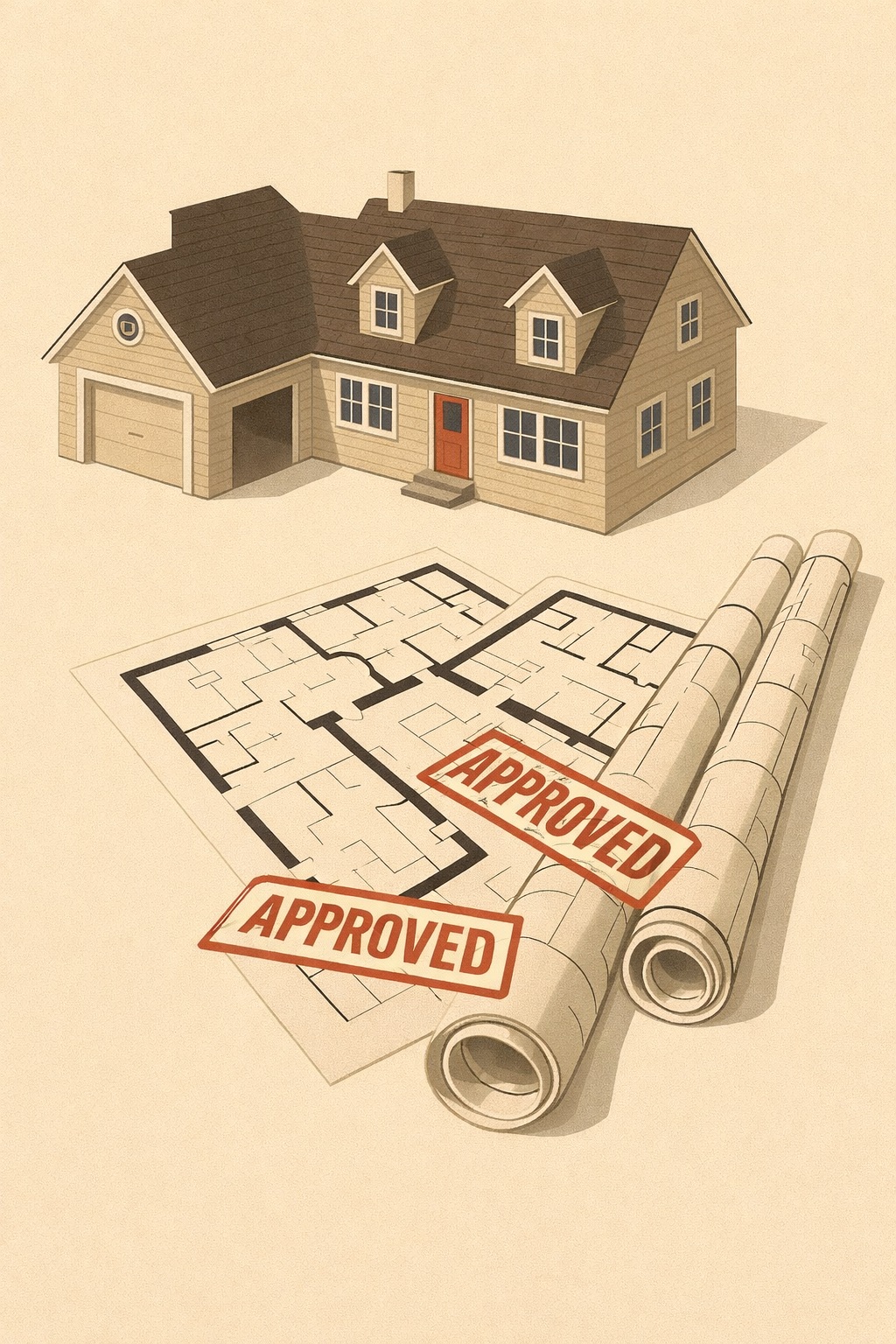
Planning consultancy begins with understanding the site, the building, the client’s objectives and the relevant policy framework. This may involve reviewing planning history, local plan policies, conservation constraints, permitted development rights, neighbouring approvals, design guidance and likely local authority concerns.
For domestic projects, this can help clarify whether a proposal is likely to fall within permitted development, require householder planning permission, or need a more carefully justified application. For apartment refurbishments, commercial-to-residential work, listed buildings or properties in conservation areas, the process often requires closer attention to heritage impact, external alterations, servicing, access, amenity and management constraints.
Our planning consultancy service can support feasibility reviews, pre-application submissions, planning statements, design development, consultant coordination and responses to planning officer comments. Where a project is likely to face objection or requires a more strategic route, we help clients understand the strength of the proposal before significant cost is committed.
Why Planning Strategy Matters
Planning risk is rarely limited to whether an application is approved or refused. Poor early strategy can lead to redesign, delay, additional consultant fees, neighbour disputes, weakened commercial viability and uncertainty during later technical stages. A project that secures consent but is difficult to build, coordinate or comply with may still create avoidable problems.
In London boroughs such as Harrow, Westminster, Kensington and Chelsea, Camden and Brent, planning expectations can vary significantly depending on site context. Rear extensions, roof alterations, basement proposals, changes to listed buildings and works affecting mansion blocks or mixed-use buildings often require a careful balance between client objectives and policy sensitivity.
Folly Architects approaches planning as an integrated design and risk-management exercise. We look at what the client wants to achieve, what the planning context is likely to support, and how the proposal can be shaped to improve its chances of success while remaining coherent, buildable and commercially sensible.
Our Planning Consultancy Articles




Common Client Challenges
Many clients approach planning with uncertainty. They may have seen similar projects nearby but do not know whether those approvals are relevant. They may be unsure whether permitted development applies, whether a conservation area changes the process, or whether planning consent alone is enough to begin work.
Other clients come to us after a scheme has stalled, received negative pre-application feedback, attracted objections, or become disconnected from structural, Building Regulations or delivery requirements. In these cases, the priority is often to reassess the proposal, identify where the risk sits, and rebuild the strategy around a clearer design and approval route.
For clients purchasing property, early planning advice can also support decision-making before exchange or before committing to a refurbishment budget. Understanding likely constraints early can prevent unrealistic assumptions and help align scope, budget, programme and approval pathway.
Planning, Technical and Regulatory Coordination
Planning permission is only one part of a project’s approval landscape. Structural alterations, fire safety, access, drainage, party wall matters, leaseholder approvals, Building Regulations and, in some cases, Building Safety Act obligations may all affect how a proposal should be designed and sequenced.
Our planning consultancy is therefore informed by technical design and delivery awareness. We coordinate with structural engineers, planning consultants, heritage consultants, approved inspectors, fire consultants and other specialists where required. This helps ensure that planning drawings and statements do not create commitments that later prove technically impractical or commercially inefficient.
Where proposals relate to higher-risk buildings or complex residential blocks, planning considerations may overlap with wider regulatory strategy. Our Higher-Risk Building consultancy services and HRB guidance hub provide additional support where Gateway, dutyholder or Building Safety Regulator requirements need to be considered alongside the planning route.
Frequently asked questions
The following questions and answers summarise common queries relating to this topic.
You should seek planning consultancy advice before committing to a fixed design, budget or purchase decision. Early advice can identify whether the proposal is likely to need planning permission, whether permitted development may apply, and what design or policy risks should be managed before drawings are developed in detail.
Yes. Folly Architects can review the property, planning history, local constraints and proposed works to advise whether planning permission is likely to be required. Where the position is uncertain, we can also advise whether a lawful development certificate or pre-application route may be appropriate.
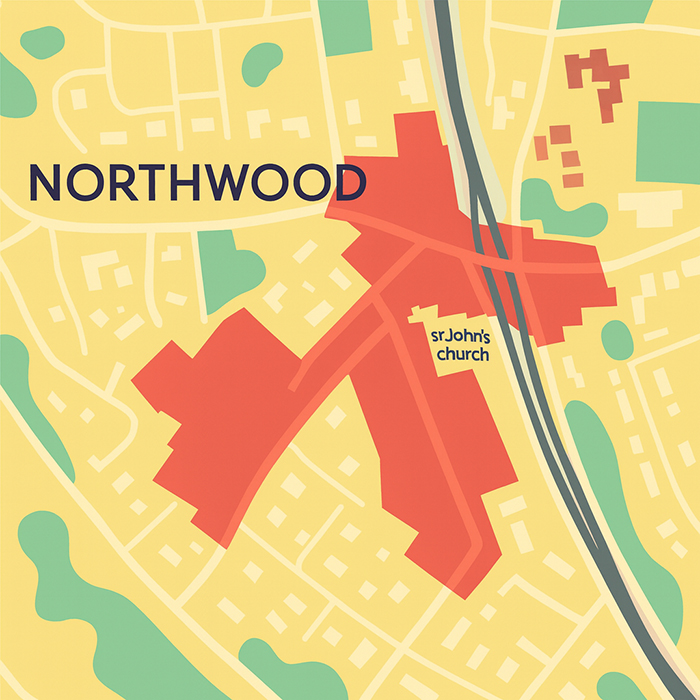
Conservation areas do not prevent development, but they usually require a more careful design and justification strategy. External alterations, roof changes, front elevations, windows, materials and visible extensions may be scrutinised more closely, particularly in sensitive London boroughs.
Yes. If a proposal has received negative feedback, objections or officer concerns, we can review the design, planning context and submitted information to identify whether the strategy should be revised, strengthened or repositioned before further action is taken.
It can be separate, but it is often most effective when integrated with architectural design. At Folly Architects, planning consultancy is informed by design quality, technical coordination, buildability and regulatory awareness, helping proposals remain realistic beyond the planning stage.
Design-Led Planning Advice
Good planning consultancy should not reduce a project to policy compliance alone. The strongest applications are usually those where design quality, site analysis, neighbour impact, heritage sensitivity and practical delivery have been considered together. This is particularly important on constrained urban sites, older houses, apartment buildings and properties affected by conservation or overlooking concerns.
We develop planning strategies that are supported by clear drawings, proportionate explanation and a design rationale that planning officers can understand. Where a proposal requires compromise, we help clients assess which changes genuinely reduce risk and which may weaken the project without materially improving its planning position.
Why Clients Engage Folly Architects
Clients engage Folly Architects because they want planning advice that is connected to real architectural delivery. We understand how early planning decisions affect technical drawings, contractor pricing, approvals, consultant coordination and construction sequencing. This allows us to give advice that is practical rather than theoretical.
Our experience spans residential extensions, refurbishments, sensitive London properties, conservation settings, apartment alterations and complex compliance environments. We are particularly useful where clients need calm, structured guidance before deciding how to proceed, or where a project needs to be repositioned after uncertainty, delay or fragmented advice.
If you are considering a project and want to understand the most appropriate planning route, Folly Architects can review the opportunity, identify likely constraints and help develop a coordinated strategy before the project moves too far forward.
Contact us
If you would like to discuss a project, clarify regulatory requirements, or understand how our experience may be relevant to your work, you are welcome to get in touch.