Submission for Gateway 2 in a Knightsbridge Listed Building
Leading the Building Safety Act Process for a Luxury London Developer
Knightsbridge represents some of the most architecturally significant and commercially valuable residential buildings in London. When those buildings are both listed and classified as Higher-Risk Buildings (HRBs) under the Building Safety Act 2022, even modest internal refurbishment works demand exceptional coordination, compliance and leadership.
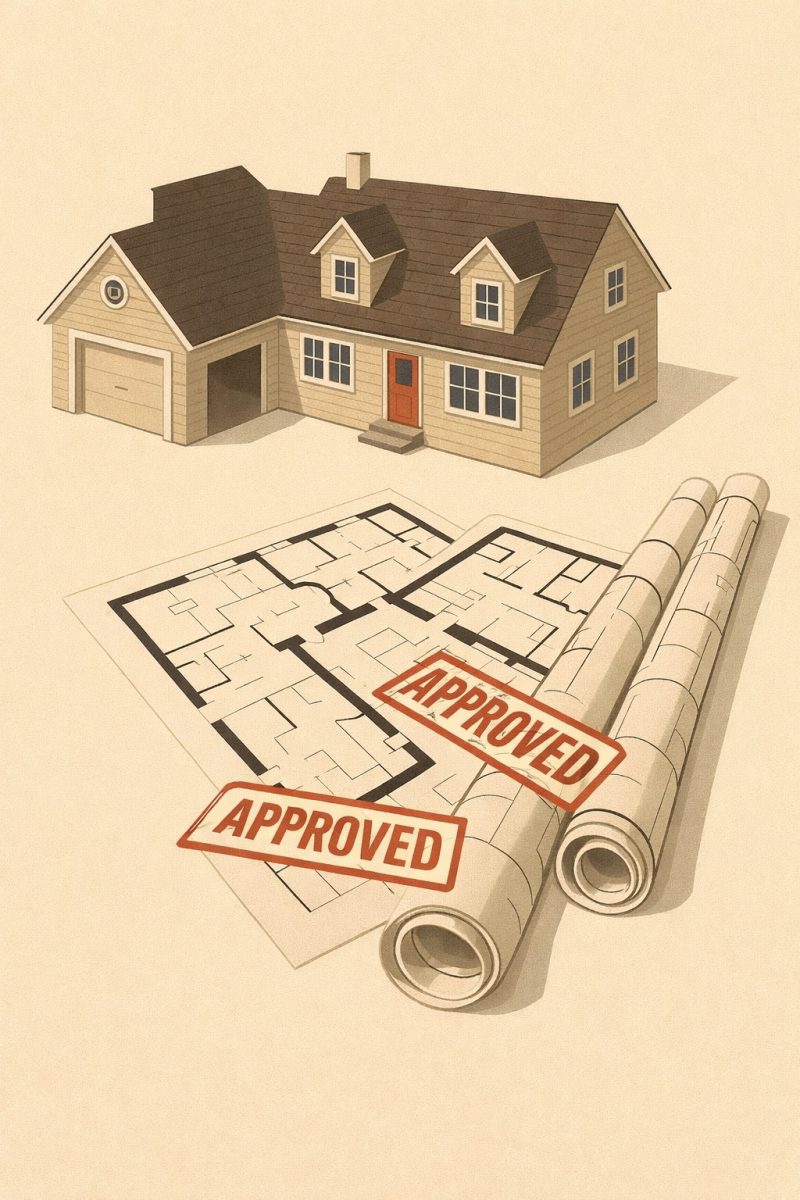
Folly Architects was appointed by a luxury London developer to lead the Gateway 2 submission for works to a listed mansion block apartment in Knightsbridge. Our role extended far beyond design advice — we led the regulatory strategy, coordinated the full consultant team, inspected and reviewed all technical information, and ensured that the submission to the Building Safety Regulator was robust, complete and strategically assembled.
For further insight into our broader regulatory expertise, visit our High Risk Building Hub, where we explain the evolving requirements of the Building Safety Act and Gateway regime.
Knightsbridge, Heritage and Higher-Risk Buildings
Architectural work in Knightsbridge carries layered complexity: Grade II listed status, conservation constraints, high-value development expectations and enhanced Building Safety Regulator scrutiny. As explained on our Architect in Knightsbridge page, prime central London projects demand precision and authority at every stage.
In this case, the building’s listed status required careful preservation of historic fabric while ensuring that all new works met modern fire and life safety standards. Gateway 2 is not a procedural formality — it is a full technical submission requiring structured evidence of compliance with the Building Regulations and the Higher-Risk Building Procedures Regulations 2023.
Leading the Gateway 2 Process
Folly Architects acted as Principal Designer (Building Regulations) for the Gateway 2 submission. Our responsibilities included:
- Leading and coordinating the entire design team
- Reviewing and challenging consultant outputs
- Ensuring technical consistency across all disciplines
- Managing regulatory risk
- Overseeing document assembly and submission
We did not simply compile documents — we interrogated and coordinated them. Where information was incomplete, inconsistent or insufficiently evidenced, revisions were required prior to submission. In Higher-Risk Building projects, fragmented responsibility is not acceptable.
This structured leadership approach reflects the methodology demonstrated in our Navigating Gateway 2 in Knightsbridge article, where we outline the regulatory framework in detail.
Documents Submitted to the Building Safety Regulator
A successful Gateway 2 submission is built on structured documentation and technical clarity. For this Knightsbridge listed building, the submission included:
- Approval with Requirements Plan
- Building Regulations Compliance Checklist
- Change Control Plan
- Client Authorisation
- Construction Control Plan
- Fire & Emergency File
- Fire Certification Documentation
- Information Issue Register
- Mandatory Occurrence Reporting Plan
- Structural Engineer Information
- MEP Consultant Information
- Competency Declarations
Our Fire & Emergency File guidance explains how this critical document forms part of the Golden Thread of information required for Higher-Risk Buildings.
Each document aligned with the fire strategy, architectural drawings, structural proposals and services design. Inconsistency between disciplines is one of the primary causes of Gateway 2 rejection — and one of the principal risks we mitigate.
Architectural Work in Knightsbridge: Beyond Aesthetics
Architectural work in Knightsbridge is often associated with high-end finishes and refined interiors. In Higher-Risk Buildings, however, architectural leadership extends far beyond aesthetics.
Our work involved:
- Spatial reconfiguration strategy within protected corridors
- Compartmentation alignment with historic structure
- Structural coordination where timber elements required fire protection
- Integration of mechanical ventilation systems within listed constraints
- Review of third-party fire test evidence and certification
Gateway 2 requires demonstrable control of design intent. The Building Safety Regulator expects clarity, consistency and professional accountability.
Principal Designer Services Under the Building Safety Act
The Principal Designer role under the Building Safety Act is distinct from the traditional CDM role. The Building Regulations Principal Designer must plan, manage and monitor design work to ensure compliance with relevant requirements and formally declare that compliance to the Regulator.
Folly Architects provides specialist Principal Designer and architectural services for Higher-Risk Buildings across London, particularly within Knightsbridge, Kensington, Chelsea and Westminster.
You can explore more about Higher-Risk Building strategy within our HRB Hub.
Why Gateway 2 Submissions Fail
From experience across multiple HRB projects, Gateway 2 applications commonly fail due to:
- Poor document coordination
- Incomplete fire certification evidence
- Ambiguity around compartmentation
- Inconsistent consultant information
- Weak change control procedures
Our structured, leadership-led approach mitigates each of these risks before submission.
Frequently asked questions
The following questions and answers summarise common queries relating to this topic.
Yes. Listed status does not remove the requirement to comply with the Building Safety Act 2022. If the building is classified as a Higher-Risk Building (HRB), a full Gateway 2 application must be submitted to the Building Safety Regulator before works commence. Heritage constraints may influence the design strategy, but they do not reduce life-safety obligations under the Building Regulations.
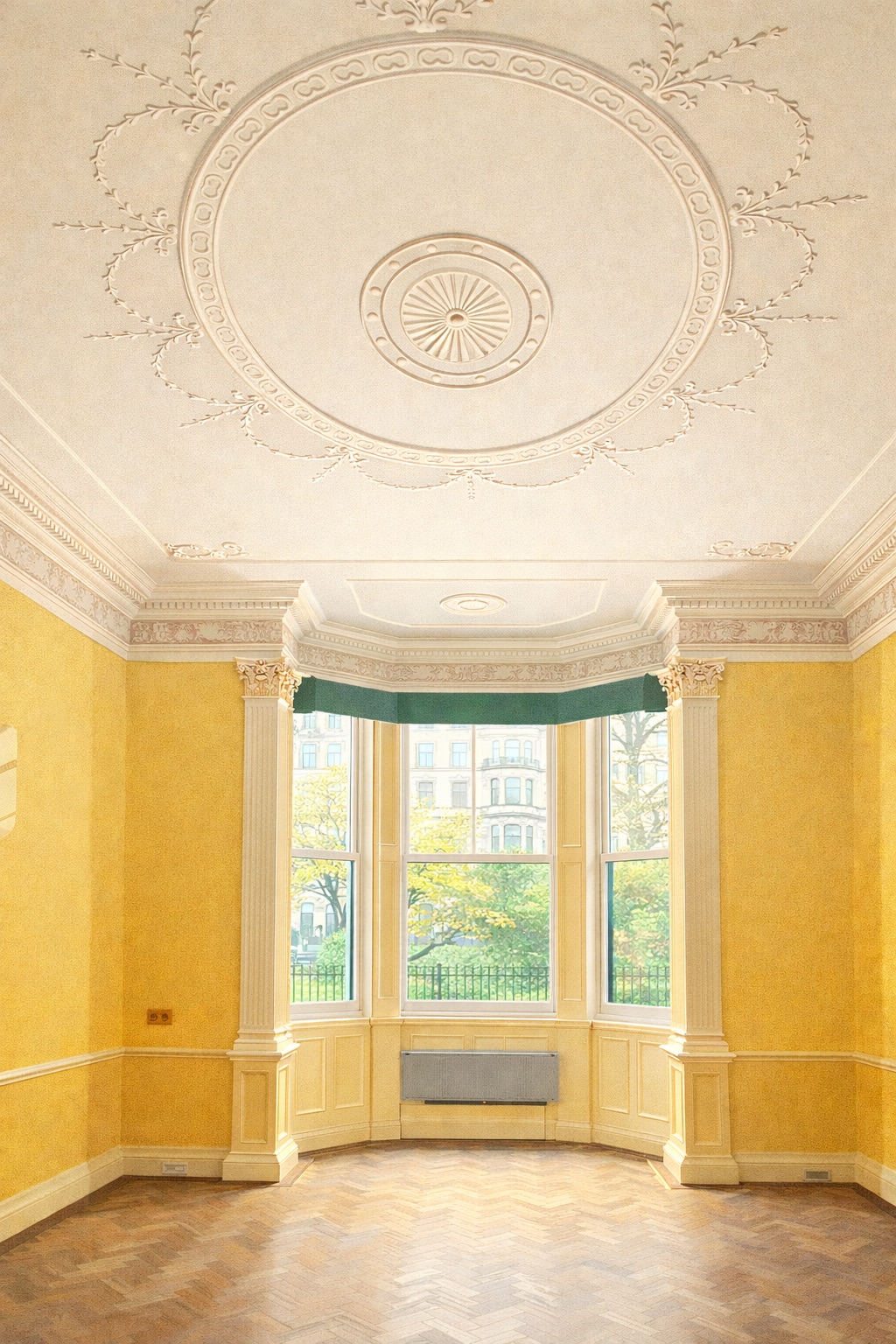
Heritage buildings often contain historic doors, timber structures and decorative ceilings that do not align neatly with modern compartmentation requirements. In Knightsbridge mansion blocks, careful justification is required where original fabric is retained. This means Gateway 2 submissions must demonstrate both fire safety compliance and a proportionate conservation strategy.
The Building Regulations Principal Designer is responsible for planning, managing and monitoring the design work to ensure compliance with relevant requirements of the Building Regulations. For Higher-Risk Buildings, this includes coordinating consultants, reviewing fire and structural strategies, managing change control procedures and providing formal declarations to the Building Safety Regulator.
A Gateway 2 submission typically includes an Approval with Requirements Plan, Building Regulations Compliance Checklist, Change Control Plan, Construction Control Plan, Fire & Emergency File, fire certification documentation, structural and MEP information, competency declarations and supporting technical drawings. All documents must align and demonstrate coordinated design compliance.
Timeframes vary depending on project complexity and the quality of the submission. Well-coordinated applications that clearly demonstrate compliance and contain complete supporting evidence are more likely to progress efficiently. Early appointment of an experienced architectural practice familiar with Higher-Risk Buildings significantly reduces regulatory risk and delay.
Heritage + HRB Expertise in Knightsbridge
The combination of listed building constraints, Higher-Risk Building procedural requirements and prime central London development expectations demands architectural leadership operating at the highest regulatory level.
If you are refurbishing a listed mansion block apartment, preparing for Gateway 2 submission, or seeking experienced Principal Designer services in Knightsbridge, Folly Architects can lead the process from strategy through to regulator approval.
To discuss a project, please visit our Knightsbridge architectural services page or explore our specialist regulatory guidance within the High Risk Building Hub.
Contact us
If you would like to discuss a project, clarify regulatory requirements, or understand how our experience may be relevant to your work, you are welcome to get in touch.