Building Regulations Advisory Service
Why Early Building Regulations Advice Improves Project Outcomes
Building Regulations are often misunderstood as a final approval exercise undertaken shortly before construction. In reality, compliance decisions influence design, cost, buildability and programme from the earliest stages of a project. Early technical review can help identify constraints before layouts, structures and procurement decisions become difficult to change.
For homeowners, developers and project teams, understanding the relationship between Building Regulations, Drawings and Planning Consultancy can significantly reduce redesign risk and improve project coordination.
Where projects involve complex refurbishments, structural alterations or Higher-Risk Buildings, regulatory requirements become increasingly interconnected. Our High Risk Building Hub and wider Building Safety guidance explain how compliance responsibilities now extend well beyond traditional Building Control approval.
A Building Regulations Advisory Service helps establish realistic technical strategies before detailed design progresses too far. This allows project teams to make informed decisions with a clearer understanding of compliance requirements, consultant coordination needs and delivery risks.
Why Building Regulations Should Be Considered Early
Many residential projects begin with a strong design ambition but limited awareness of the technical implications that sit behind the architecture. Structural requirements, fire safety measures, thermal performance, ventilation and drainage all influence how a project can ultimately be delivered.
When these issues are considered too late, projects often encounter redesign, additional consultant fees and construction delays. Early advisory input helps identify likely compliance requirements before they become expensive constraints.
Moving Beyond Basic Compliance
Successful Building Regulations strategies are not simply about achieving approval. They are about creating coordinated information that contractors can build from with confidence.
Good technical design reduces ambiguity between architectural drawings, structural information and specialist consultant inputs. This improves pricing accuracy, reduces variations and supports smoother construction-stage decision making.
Coordination Between Consultants
Most projects require input from multiple disciplines. Structural engineers, energy assessors, fire consultants and specialist suppliers all contribute information that must align with the wider design.
A Building Regulations Advisory Service helps identify gaps, inconsistencies and coordination risks before submission. This structured approach becomes increasingly important on larger refurbishments and more technically demanding projects.
Building Safety Act and Higher-Risk Buildings
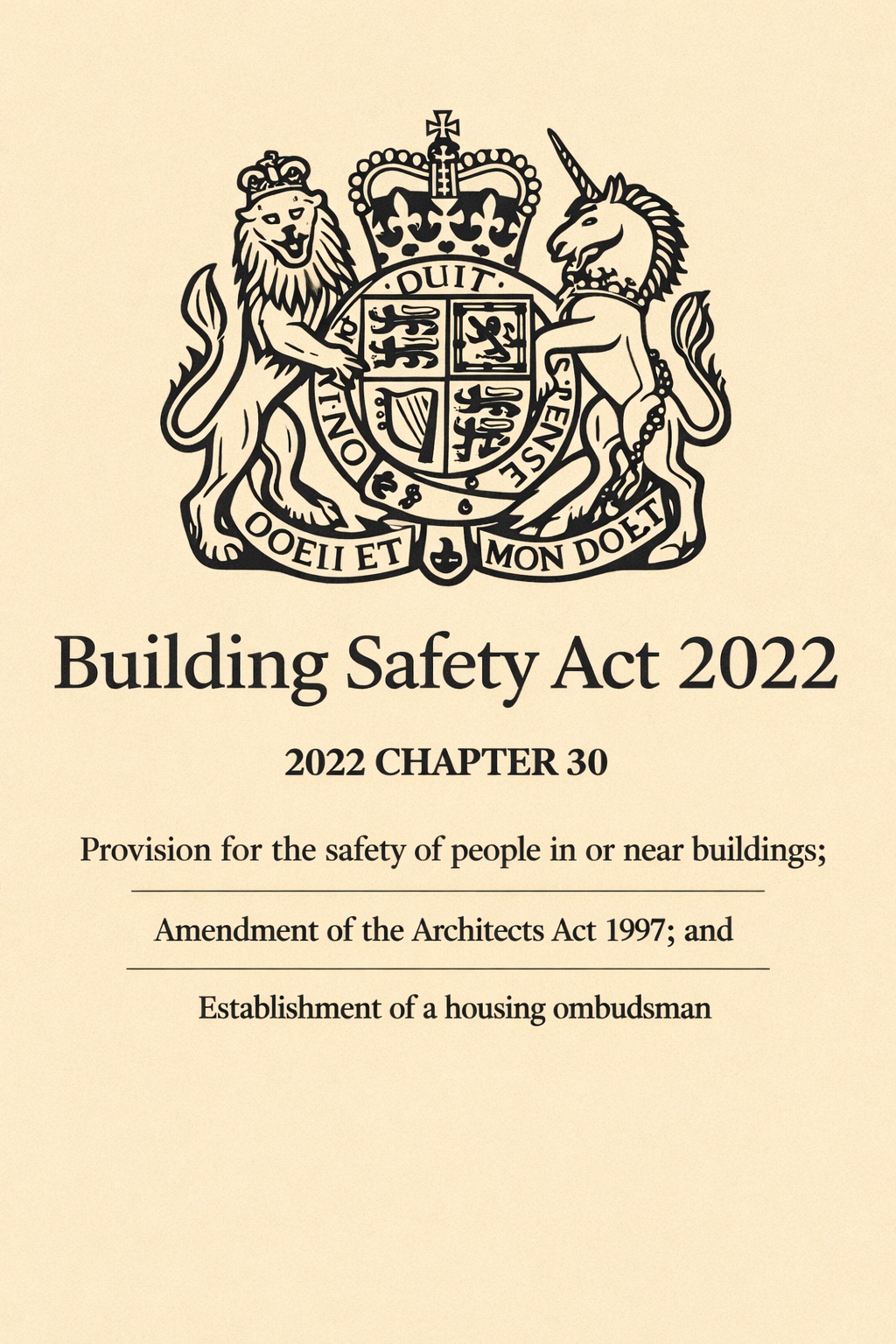
For Higher-Risk Buildings, compliance has evolved significantly under the Building Safety Act 2022. The focus is no longer limited to technical compliance alone but also extends to competence, accountability and evidence-based design coordination.
Projects falling within the HRB regime may require Gateway submissions, formal dutyholder appointments and structured information management. Our guidance on Navigating Higher-Risk Building Regulations and High Risk Building Services explores these requirements in greater detail.
Frequently asked questions
The following questions and answers summarise common queries relating to this topic.
It provides early technical guidance on compliance, coordination and project risks before formal Building Regulations submissions are prepared.
Ideally during the early design stages so technical constraints can be addressed before designs become fixed.
No. Planning drawings usually require further technical development to satisfy Building Regulations and support construction.
Yes. Structural requirements, fire safety measures, insulation standards and technical coordination can all influence costs and programme.
Yes. HRB projects may require Gateway submissions, dutyholder coordination and Building Safety Act compliance management.
Common Misunderstandings
A common misconception is that planning approval automatically means a design is ready to build. Planning drawings and Building Regulations information serve very different purposes.
Planning approval establishes whether development is acceptable in planning terms. Building Regulations approval focuses on whether the proposal can be constructed safely and in accordance with statutory requirements.
Practical Advice for Clients
Engaging technical advice early generally provides greater flexibility, better cost awareness and more realistic project planning. It also helps establish whether specialist input is required before procurement or construction decisions are made.
Where projects involve complex alterations, listed buildings, multi-occupancy residential buildings or significant structural intervention, early regulatory strategy becomes particularly important.
Conclusion
Building Regulations compliance works most effectively when it is integrated into the wider design process rather than treated as a standalone approval exercise. Early technical awareness, coordinated consultant input and clear information management all contribute to better project outcomes.
Whether you are planning a residential extension, major refurbishment or complex Higher-Risk Building project, early Building Regulations advice can help reduce uncertainty and support a smoother route from design into construction.
Contact us
If you would like to discuss a project, clarify regulatory requirements, or understand how our experience may be relevant to your work, you are welcome to get in touch.