West Harrow’s Local Area of Special Character
What It Means for Homeowners
West Harrow has long been valued for its calm streets, consistent architectural character and strong sense of place. That character has not appeared by accident — it has grown steadily over time, shaped by thoughtful development and a clear architectural identity. Harrow Council’s decision to extend the Local Area of Special Character (LASC) designation is an important step in recognising and protecting what makes West Harrow distinctive.
For homeowners considering an extension or renovation, understanding what LASC status means is essential. While it is not as restrictive as conservation area designation, it does influence how planning applications are assessed.
What Is a Local Area of Special Character (LASC)?
A Local Area of Special Character is a planning designation used by local authorities to identify neighbourhoods that have a distinctive architectural or townscape quality. Unlike Conservation Areas, a LASC does not automatically remove permitted development rights — but it does require proposals to respond carefully to local context.
In practical terms, this means new development must demonstrate sensitivity to scale, proportion, materials and the existing rhythm of the street. This design-led approach aligns closely with how we work as an architect in Harrow, where contextual awareness is central to achieving successful planning outcomes.
Which Parts of West Harrow Are Covered?
The existing LASC includes parts of Butler Avenue, Lascelles Avenue and surrounding streets near Roxeth Recreation Ground. Harrow Council has proposed extending the designation to include further streets such as:
- Vaughan Road
- Drury Road
- Heath Road
These streets share a strong architectural rhythm, consistent building lines and generous proportions. The extended designation recognises this shared character and seeks to ensure future development enhances rather than erodes it.
Does LASC Status Affect Planning Permission?
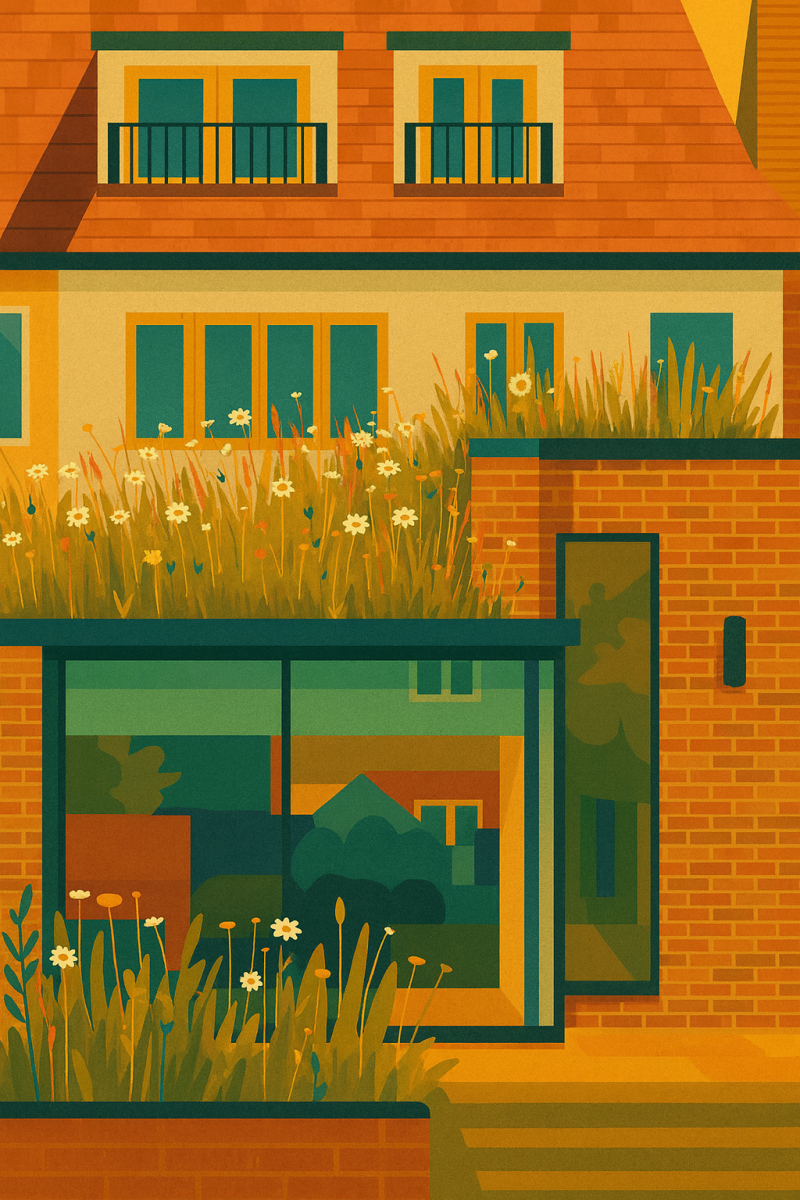
A common question is whether LASC status restricts development rights. In most cases, permitted development rights remain intact. However, proposals that require planning permission — such as larger rear extensions, loft conversions with dormers, or significant façade changes — will be assessed more carefully against local character.
This is where early planning strategy becomes critical. Testing proposals at feasibility stage allows layout, massing and material decisions to be refined before formal submission. If you're considering a wider project, our guidance may help: Thinking of Applying for Planning Permission?.
Why the LASC Designation Is a Positive Step
The extended designation offers long-term benefits for residents and the wider community:
- Protection of local identity
- Support for property values through coherent design
- Encouragement of thoughtful, well-considered development
Rather than preventing change, a LASC promotes better quality evolution. It encourages homeowners and designers to work with the grain of the street rather than against it.
Design Expectations Within a LASC
Planning officers typically assess proposals within a LASC against qualitative factors such as:
- Scale and proportion of extensions
- Relationship to neighbouring properties
- Choice of materials and façade treatment
- Impact on the wider streetscape
Successful schemes are rooted in understanding of place. That contextual thinking underpins our residential work across West Harrow — from early feasibility studies through to detailed technical design.
If you’re exploring an extension, you may find it helpful to see how careful early testing shapes successful outcomes: A Rear Extension and Internal Reconfiguration in Harrow.
Frequently asked questions
The following questions and answers summarise common queries relating to this topic.
Considering an Extension or Renovation in West Harrow?
If you are planning works to your home in a Local Area of Special Character, early advice is particularly valuable. Policy interpretation, street precedent and design sensitivity all influence the likelihood of approval.
Many clients begin with a feasibility study, allowing options to be explored and tested before progressing to planning submission. This structured approach reduces risk and increases confidence.
You may also wish to review our broader architectural services, which range from concept design through planning support and technical delivery: Architectural Services.
Why Not Get in Touch?
If you would like to discuss a project in West Harrow or seek early planning advice, feel free to contact us for an initial conversation: hello@follyarchitects.com or visit Contact.
Contact us
If you would like to discuss a project, clarify regulatory requirements, or understand how our experience may be relevant to your work, you are welcome to get in touch.